
Top Kitchen Design Trends for Modern Homes

The kitchen is often considered the heart of the home, a space where culinary creativity meets family gatherings. As we move further into the 21st century, kitchen design trends are evolving to reflect not just aesthetics but also functionality and sustainability. In this blog post, we will explore the top kitchen design trends that are shaping modern homes, offering insights and practical examples to inspire your next renovation or build.
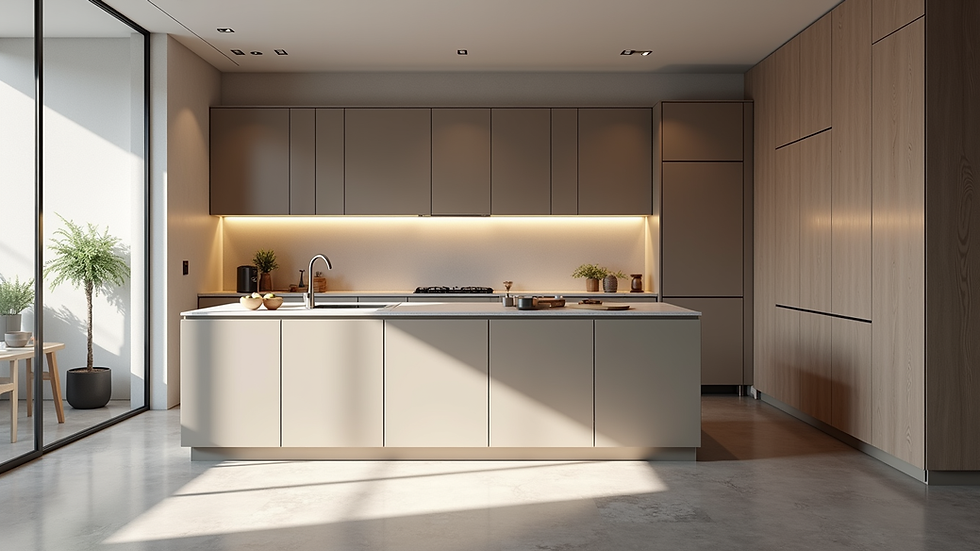
Open Concept Layouts
Open concept kitchens have become a staple in modern home design. This layout removes barriers between the kitchen and living spaces, creating a seamless flow that encourages interaction and engagement.
Benefits of Open Concept Kitchens
Enhanced Social Interaction: Families can cook, eat, and socialize without feeling isolated.
Increased Natural Light: Removing walls allows for more light to enter, making the space feel larger and more inviting.
Versatile Design Options: Open spaces can be styled in various ways, from rustic to contemporary.
Practical Example
Consider a home where the kitchen, dining, and living areas are combined. A large island can serve as both a cooking space and a gathering spot, with bar stools for casual dining. This setup not only maximizes space but also fosters a sense of community.
Sustainable Materials
As environmental awareness grows, homeowners are increasingly opting for sustainable materials in their kitchen designs. This trend focuses on using eco-friendly products that reduce environmental impact without sacrificing style.
Popular Sustainable Materials
Bamboo: A fast-growing grass that is durable and renewable.
Recycled Glass Countertops: Made from post-consumer glass, these countertops are both beautiful and eco-friendly.
Reclaimed Wood: Using wood from old buildings or furniture adds character and reduces waste.
Practical Example
Imagine a kitchen featuring bamboo cabinetry paired with recycled glass countertops. This combination not only looks stunning but also reflects a commitment to sustainability.
Smart Technology Integration
Smart technology is revolutionizing kitchen design, making cooking and meal prep more efficient. From smart appliances to automated lighting, technology is enhancing the functionality of modern kitchens.
Key Smart Technologies
Smart Refrigerators: These can track inventory, suggest recipes, and even create shopping lists.
Voice-Activated Assistants: Devices like Amazon Echo or Google Home can control kitchen appliances and provide cooking assistance.
Automated Lighting: Smart lighting systems can adjust brightness based on the time of day or activity.
Practical Example
Picture a kitchen where the refrigerator alerts you when you’re low on essentials, while smart lighting adjusts to create the perfect ambiance for dinner parties. This level of integration not only simplifies tasks but also enhances the overall cooking experience.
Bold Color Palettes
Gone are the days of all-white kitchens. Modern designs are embracing bold colors that add personality and flair.
Trending Color Choices
Deep Blues and Greens: These colors evoke a sense of calm and sophistication.
Rich Earth Tones: Shades like terracotta and olive green bring warmth and a connection to nature.
Contrasting Accents: Pairing dark cabinetry with light countertops creates a striking visual contrast.
Practical Example
Consider a kitchen with navy blue cabinets and a white marble countertop. This combination not only looks elegant but also creates a focal point that draws the eye.
Multi-Functional Spaces
As homes become more compact, the need for multi-functional spaces is on the rise. Modern kitchens are designed to serve multiple purposes, from cooking to working or entertaining.
Features of Multi-Functional Kitchens
Islands with Storage: Islands can include drawers and shelves for additional storage, making them practical workspaces.
Convertible Dining Areas: Tables that can expand or fold away allow for flexibility in dining arrangements.
Integrated Workstations: Designated areas for work or homework can be incorporated into the kitchen layout.
Practical Example
Imagine a kitchen island that doubles as a workspace, complete with charging ports and storage for office supplies. This setup allows for seamless transitions between cooking and working.
Minimalist Design
Minimalism continues to be a dominant trend in kitchen design. This approach emphasizes simplicity, clean lines, and a clutter-free environment.
Characteristics of Minimalist Kitchens
Streamlined Cabinets: Flat-panel cabinets without hardware create a sleek look.
Neutral Color Schemes: Whites, grays, and blacks dominate, allowing for a calm atmosphere.
Hidden Appliances: Appliances that blend into cabinetry maintain the minimalist aesthetic.
Practical Example
Consider a kitchen with white cabinetry, a seamless countertop, and integrated appliances. This design not only looks modern but also promotes a sense of tranquility.
Natural Elements
Incorporating natural elements into kitchen design is a growing trend that connects indoor spaces with the outdoors. This can be achieved through materials, colors, and even plants.
Ways to Integrate Natural Elements
Natural Stone Countertops: Materials like granite or quartzite add texture and beauty.
Indoor Plants: Herbs or small plants can enhance air quality and add a touch of greenery.
Large Windows: Expansive windows allow natural light to flood the space and provide views of the outdoors.
Practical Example
Imagine a kitchen with a large window overlooking a garden, complemented by a natural stone countertop and potted herbs on the windowsill. This design not only feels fresh but also promotes a healthy lifestyle.
Vintage and Retro Influences
Modern kitchens are increasingly drawing inspiration from vintage and retro designs. This trend adds character and nostalgia to contemporary spaces.
Key Features of Vintage-Inspired Kitchens
Retro Appliances: Colorful, rounded appliances can serve as statement pieces.
Classic Tile Patterns: Subway tiles or patterned backsplashes evoke a sense of history.
Antique Fixtures: Vintage lighting or hardware can add charm and uniqueness.
Practical Example
Consider a kitchen featuring mint green retro appliances paired with a classic checkerboard floor. This design creates a playful yet stylish atmosphere.
Conclusion
The kitchen design trends of today reflect a blend of functionality, sustainability, and personal expression. Whether you are planning a complete renovation or simply looking to refresh your space, these trends offer a wealth of inspiration. Embrace the elements that resonate with you, and create a kitchen that not only meets your needs but also reflects your style.
As you embark on your kitchen design journey, remember to consider how each trend can enhance your daily life. From open layouts to smart technology, the possibilities are endless. Start envisioning your dream kitchen today!


Comments